
Multi-Factor Authentication (MFA) is a security process that requires users to provide two or more verification factors to gain access to a resource such as an application, online account, or VPN. Instead of just asking for a username and password, MFA requires additional credentials, which decreases the likelihood of unauthorized access. Common factors include something you know (password), something you have (security token or smartphone), and something you are (fingerprint or facial recognition).
Despite the proven security benefits of Multi-Factor Authentication (MFA), most people choose not to implement it primarily due to inconvenience. Additional login steps, reliance on mobile devices, and time-sensitive verification codes can disrupt everyday workflows, leading users to prioritize ease of access over stronger security. As a result, convenience often outweighs risk awareness, even though MFA significantly reduces the likelihood of unauthorized access
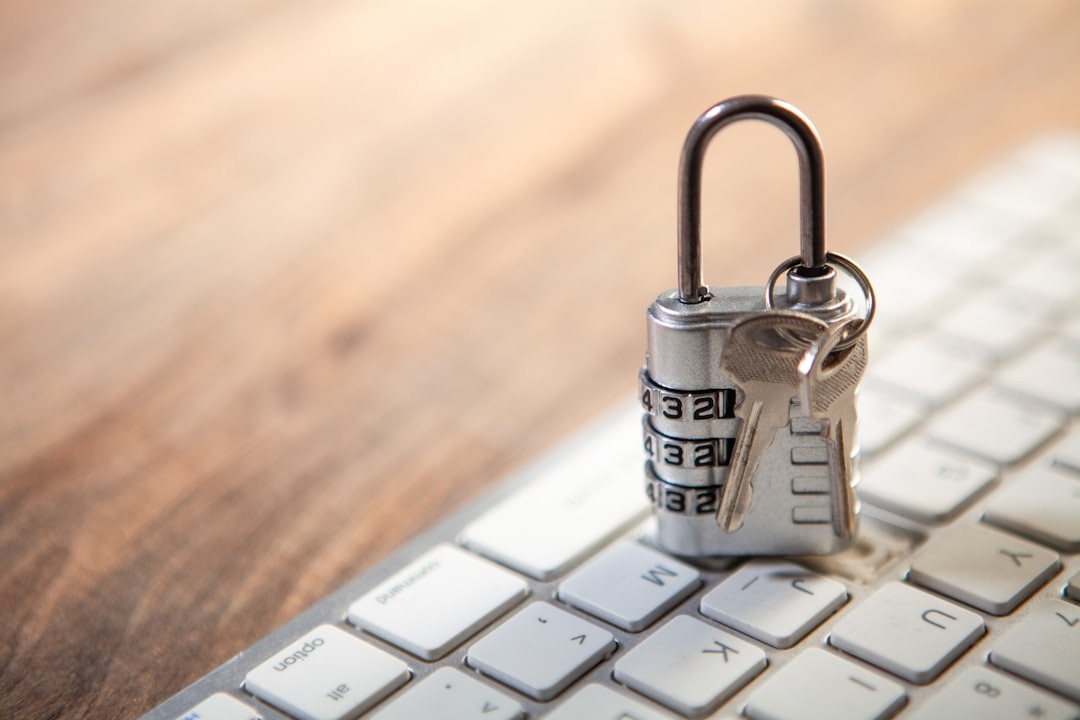
Why do people avoid using MFA
1. Convenience beats security
Logging in with just a password feels faster and easier. MFA adds an extra step, and people tend to choose convenience—especially if they log in often.
2. “It won’t happen to me” mindset
A lot of users underestimate risk. If they’ve never been hacked before, they assume they’re not a target.
3. Poor user experience
Some MFA setups are clunky:
- Delayed SMS codes
- Apps that fail or drain battery
- Confusing setup instructions
Bad UX pushes people away fast.
4. Lack of awareness
Not everyone understands what MFA protects against. Many think a strong password alone is enough.
5. Fear of lockout
Users worry about:
- Losing their phone
- Changing devices
- Not being able to access their account in emergencies
6. Extra cost or effort (for businesses)
For organizations, MFA can mean:
- Added licensing costs
- More IT support tickets
- Training users
So it sometimes gets postponed—or skipped.
7. Legacy systems
Older systems or applications may not fully support MFA, making implementation harder or inconsistent.
The irony
Most breaches today happen because of stolen or reused passwords—the exact problem MFA is designed to stop. So skipping MFA often means accepting a known risk for short-term comfort.
Conclusion
Although many users avoid Multi-Factor Authentication (MFA) due to inconvenience, the growing adoption of MFA security by major organizations proves its effectiveness. Most banks, financial institutions, and enterprises now rely on MFA authentication to strengthen account security, prevent data breaches, and reduce identity theft. As cyber threats and credential-based attacks continue to rise, implementing multi-factor authentication is no longer optional—it is a critical cybersecurity best practice. Enabling MFA on widely used platforms is simple and provides immediate protection against unauthorized access.
MFA setup
Enable MFA on Facebook:
https://www.facebook.com/help/148233965247823
Enable MFA on Gmail / Google Account:
https://support.google.com/accounts/answer/185839